
Three different people can live in Tbilisi right now for ₾2,330, ₾4,290 and ₾7,750 a month, and all three figures are honest. The gap is almost entirely rent and children.
Three named budgets follow, itemised, defended line by line, each with the expense that most often wrecks it. Conversions use 1 USD ≈ 2.6₾, the August 2026 rate. For tourist-scale day spending instead, read our money in Tbilisi guide.
Budget one: the ₾2,330 month
The outer-district life. Thousands of people live it, but it means Gldani rather than Sololaki, and a marshrutka rather than a Bolt.
- Rent, furnished one-bed, outer district: ₾900 / $345
- Electricity, gas, water, rubbish, annualised: ₾190 / $73
- Home internet + prepaid SIM: ₾85 / $33
- Groceries, cooking most nights: ₾600 / $230
- Eating out, mostly bakeries and khinkali: ₾250 / $96
- Metro and bus: ₾40 / $15
- Haircuts, pharmacy, gym, a night out: ₾265 / $102
Defending it: ₾900 is real in Gldani, Samgori or outer Isani, where the cheaper districts still list at $300–550. The ₾600 grocery line assumes you shop Georgian — cucumbers from a street stall, bread from the corner tone, sulguni by the kilo. Transport is the best value item in the city: ₾1 a ride with a Metromoney card, ₾40 for the month, as getting around Tbilisi sets out. Mobile is a rounding error at ₾32 for unlimited data; our SIM card guide says which operator to pick.
What blows this budget: the December gas bill. Cheap flats are cheap partly because they are badly insulated Soviet stock with single glazing. That ₾190 line is an annual average — ₾60 in August, up to ₾350 in January, more than a third of the rent. Our advice: bank ₾150 a month from March and treat winter as pre-paid. Tbilisi in winter covers what the cold season feels like indoors.
Budget two: the ₾4,290 month
The comfortable single: central-ish flat, a desk to work from, dinner out two or three times a week, no mental arithmetic at the supermarket.
- Rent, furnished one-bed, Saburtalo or Vera: ₾1,500 / $577
- Utilities (annualised): ₾250 / $96
- Internet + SIM: ₾85 / $33
- Groceries, some imported items: ₾750 / $288
- Restaurants and bars: ₾700 / $269
- Coworking, dedicated desk: ₾430 / $165
- Gym: ₾180 / $69
- Bolt, laundry, weekend trips: ₾395 / $152
The ₾1,500 rent line is the pivot. Saburtalo averaged $11.3 per square metre in April 2026 against Vake’s $14.2, per Georgia Today’s survey of asking rents — the same 55m² flat at $620 in one district and $780 in the other, for twelve minutes of commute. Furnished one-beds list at $700–1,200 in Vake, $400–600 in Saburtalo. Coworking here is a dedicated desk: Terminal about ₾425, Impact Hub at Fabrika near ₾410, day passes ₾30–40.
What blows this budget: restaurant drift. A mid-range dinner with wine is ₾45–80 per person centrally. That sounds cheap, which is the problem — three a week is ₾780, and the ₾700 line is gone before the ₾10 flat whites. Nobody arrives planning to eat out ten times a month. Almost everyone does.
Budget three: the ₾7,750 month
Two adults, one child, one private kindergarten place — the point where Tbilisi stops looking dramatically cheaper than a mid-sized European city.
- Rent, two-bed, Vake or central Saburtalo: ₾2,600 / $1,000
- Utilities, winter-weighted: ₾450 / $173
- Internet + two SIMs: ₾115 / $44
- Groceries for three: ₾1,900 / $731
- Private kindergarten or preschool: ₾1,200 / $462
- Private health insurance, three: ₾300 / $115
- Transport, Bolt plus one car: ₾500 / $192
- Restaurants, activities, clothes, the rest: ₾685 / $263
Municipal kindergartens are free and include meals — remarkable, and also why they carry waiting lists and Georgian-only instruction. Private preschools start near ₾200 a month and climb past ₾1,500; ₾1,200 buys a decent bilingual full day. International school is another order of magnitude: most Tbilisi schools publish ₾5,600–11,300 a year, before registration, buses, uniforms and exams.
What blows this budget: the school decision. Everything else here is elastic. Schooling is not. Move a child from a ₾400 local kindergarten to an international school and you have added ₾800–1,000 a month to a fixed budget — a decision usually made under time pressure in August. Settle the education path before you sign a two-year lease.
What actually changed since 2022
Central rents doubled in dollar terms after the February 2022 relocation wave and never fell back. They just stopped climbing steeply: citywide asking rent for a 50–60m² flat hit about $10.2 per square metre in April 2026, up 5.2% year on year — normal growth, not crisis pricing.
The useful part is where the pressure went. Vake and Vera absorbed the first arrivals and set the ceiling. Demand then spilled into Saburtalo and Chugureti — which is why Saburtalo now reads as the middle of the market, not the cheap option it was in 2021. Didube and outer Isani took the next wave. Gldani is what is left of genuinely cheap Tbilisi.
Georgian inflation, meanwhile, is not the sub-3% figure that still circulates: 5.5% in July 2026, down from 5.8% in June, per Civil Georgia’s report on the Geostat release. A budget built on 2024 prices is short by more than a tenth.
What you cannot get cheaply here
Tbilisi is cheap for anything Georgian and ordinary for everything imported. What costs European money:
- Imported groceries. Local cheese is ₾24 a kilo; brie or decent olive oil is priced as in Berlin, sometimes above. Cereal, peanut butter and anything gluten-free are the worst offenders.
- Quality childcare in English. Bilingual provision is limited, priced accordingly, and the good places fill early.
- Complex healthcare. Routine care is a bargain: ₾50 a GP visit, ₾120 a specialist, dental implants from $350 against $3,000 in Western Europe. Oncology, advanced cardiac work and anything needing medical evacuation are a different conversation — check your policy before you need it.
- Western brands and electronics. A laptop, a good pram or a branded winter coat costs more than at home. People fly things in.
- Cars. Cheap secondhand, expensive to insure and service properly.
Frequently asked questions
How much money do you need per month to live in Tbilisi?
Between ₾2,300 and ₾7,800, depending on which of three lives you want. Renting outside the centre and cooking most meals lands a single person near ₾2,330 ($895). A central flat with a coworking desk and dinners out is ₾4,290 ($1,650). A family of three with a child in private kindergarten clears ₾7,750 ($2,980).
Is Tbilisi still cheap in 2026?
For everything except housing, yes. A metro ride is ₾1, unlimited mobile data about ₾32 a month, a doctor’s consultation ₾50. Rent is the line that stopped being cheap: central asking rents doubled in dollar terms after 2022 and never came back. Annual inflation hit 5.5% in July 2026, so 2024-era budgets are already short.
Which Tbilisi district is cheapest to rent in?
Gldani, Samgori and outer Isani, where a furnished one-bed still goes for $300–550. Saburtalo at $11.3 per square metre is the value pick if you want a metro line and a supermarket in walking distance. Vake, at $14.2, costs a quarter more for the same floor space.
What is the one cost that ruins Tbilisi budgets?
Winter gas. A gas-heated Soviet-era flat that bills ₾30 in August can bill ₾250–350 in January, because the radiators are inefficient and the windows leak. Spread the cold-season total across twelve months, or the December bill lands as a shock.
Before committing, rent short-term across a winter month and pay one gas bill yourself before signing a lease. Cross-check everything else against Numbeo’s August 2026 Tbilisi index. The December bill is the figure nobody believes until it lands.
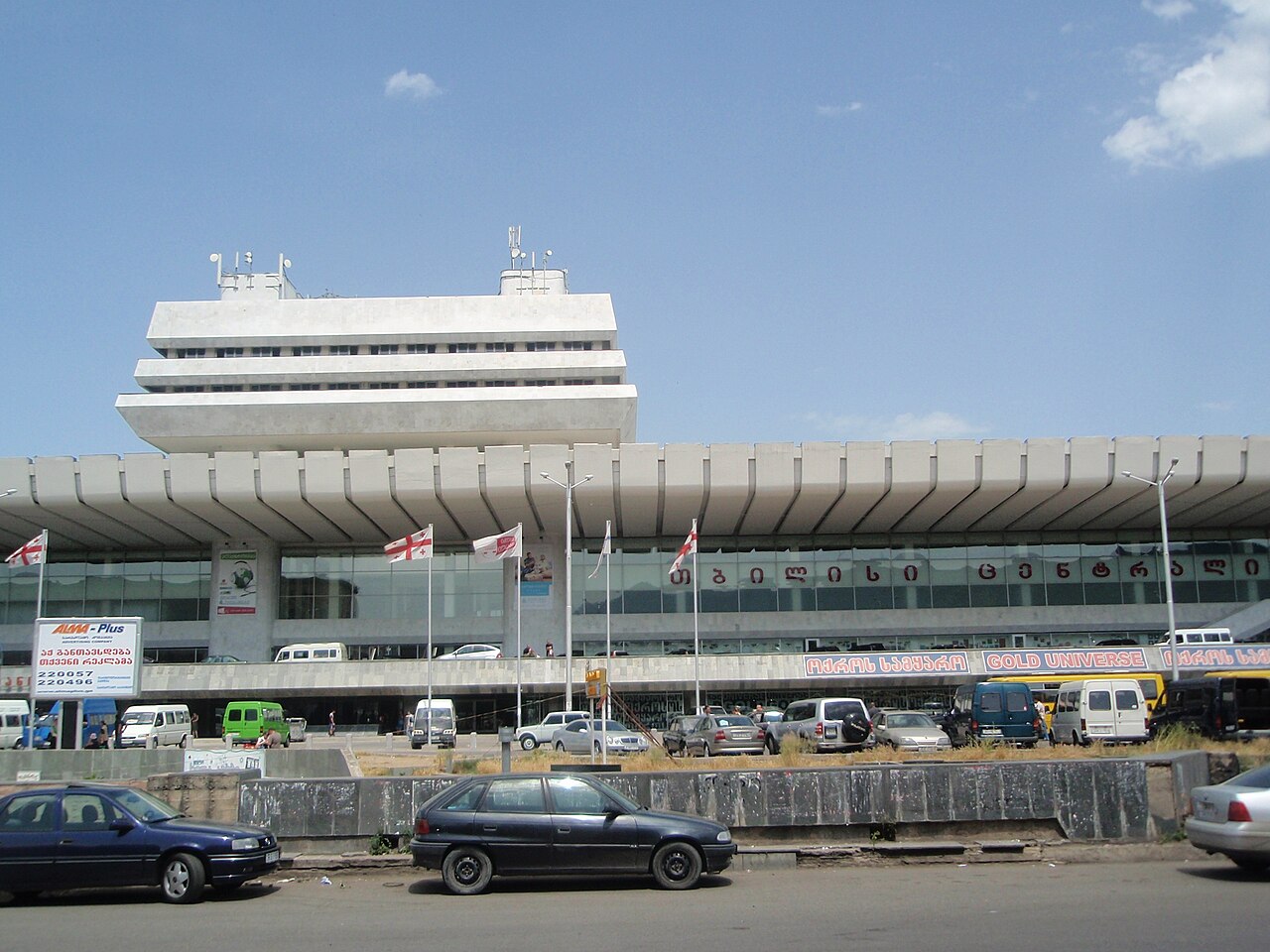
Featured image: rugbyxm (CC BY 2.0) via Wikimedia Commons.

Leave a Reply