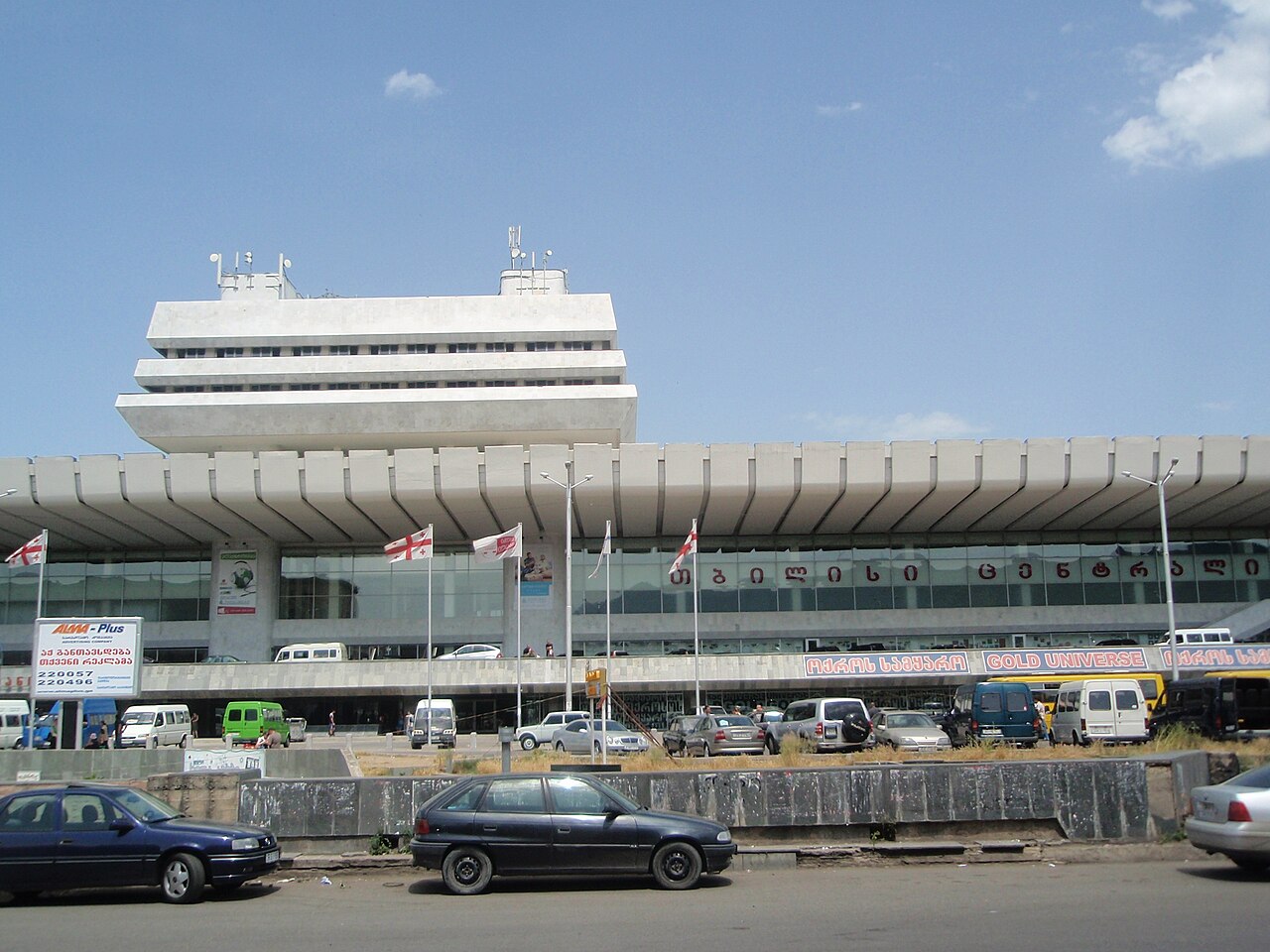
Georgia sits in the middle of the South Caucasus for reasons political as much as geographical. Because the Armenian–Azerbaijani border stays shut to ordinary travellers, almost everyone who wants both countries routes through Tbilisi. That makes tbilisi to yerevan one of the busiest overland hops in the region, and the Tbilisi–Baku leg the other half of a classic Caucasus loop. In 2026 the two could hardly be more different: one is cheap, frequent and open to nearly everyone; the other is tangled in a land-border closure running six years.
This guide covers both directions separately, with current fares, journey times, border procedure and the visa questions that catch people out. Rules here change with little notice, so confirm every figure with the relevant embassy before you book anything non-refundable.
Key facts at a glance
- Tbilisi to Yerevan: roughly 6 hours by minibus, about 10.5 hours on the overnight sleeper.
- Minibus fare: around 40–50 GEL (about $15–19). Sleeper: 84–166 GEL (about $31–63) depending on class.
- Armenia–Georgia border crossing: Sadakhlo on the Georgian side, Bagratashen on the Armenian side; Ayrum is the rail equivalent.
- Armenia is visa-free for most Western, EU and many other passports for 180 days per year.
- Azerbaijan has kept its land borders closed to arriving passengers since March 2020, extended again into late 2026.
- The Tbilisi–Baku sleeper restarted in May 2026 but tickets are restricted to Azerbaijani citizens and visa-free nationalities.
- Most other nationalities need an Azerbaijani e-visa and, in practice, a flight into Baku.
Why Georgia is the hub
There is no functioning tourist route between Armenia and Azerbaijan. The frontier between them has been closed for decades and remains militarised despite periodic diplomatic movement, and no crossing has opened to independent travellers. If you want Yerevan and Baku on one trip, you go through Tbilisi in the middle. That is what turns the city into a genuine transit hub — and why it repays a few days of its own rather than being treated as a bus interchange, as the Tbilisi travel guide covers.
Tbilisi to Yerevan: your options
The overnight sleeper train
The sleeper is the romantic choice and often the practical one. In the winter timetable (roughly 2 October to 13 June) it runs every second night, leaving Tbilisi around 20:20 on odd-numbered dates and reaching Yerevan just before 07:00. In summer the same service extends to Batumi, calling at Tbilisi en route, so departure patterns shift month to month.
Summer 2026 fares run from about 84 GEL ($31) for third-class platzkart to about 166 GEL ($63) for first-class lux, with coupé options between at 115–140 GEL. Tickets open about 40 days ahead through the Armenian Railways booking site, and the practical details are well documented in Wander-Lush’s Tbilisi–Yerevan train guide.
The catch is duration: about 10.5 hours total, of which the border stop eats an hour and a half to two hours in the middle of the night. Officers board at Sadakhlo, collect passports, and return them after processing at Ayrum. You stay in your berth. Slower than the road, but you arrive rested and lose no daylight.
Marshrutka and minibus
The workhorse option. Minibuses leave from Ortachala central bus station and from the stop near Avlabari metro, typically every 90 minutes to two hours from about 07:30 until late afternoon. Expect around 40 GEL from Ortachala and about 50 GEL for the more comfortable operator-run vans; total time is roughly six hours including the border.
These do not leave from Didube, which handles the domestic network instead — useful to know for day trips, as our Didube marshrutka guide explains. At the border everyone gets out at Sadakhlo, walks through Georgian exit control, crosses the bridge and clears Armenian entry at Bagratashen before reboarding. The driver waits; carry your small bag through with you.
Shared and private taxi
Shared taxis gather at the same points and fill with four passengers, usually 60–90 GEL a head depending on season and negotiation. A private transfer runs more — typically $130–200 for the whole car — but lets you stop at Haghpat and Sanahin monasteries, both UNESCO-listed and barely off the highway. For a group of four the per-person maths is reasonable.
Flying
Direct flights exist but are a poor deal on a route this short: fares sit well above $100 one-way, the flight is under an hour, and airport transfers at both ends erase the time saved. Fly only if you are connecting onward from Zvartnots the same day.
Armenian entry rules
Armenia is generous: citizens of the EU, UK, US, Canada, Australia, Japan and many others enter visa-free, generally for up to 180 days per year, with an e-visa for the rest. Check your nationality against the list published by the Armenian Ministry of Foreign Affairs rather than any blog table, including this one.
Tbilisi to Baku: the complicated one
Here is the part most itinerary planners get wrong. Azerbaijan closed its land borders to arriving passengers in March 2020 under a “special quarantine regime,” rolled forward repeatedly — most recently, per OC Media, into late 2026, with officials now citing security rather than public health. For most foreign nationals, you cannot enter Azerbaijan overland from Georgia, e-visa or not.
The train, and who may actually board it
In May 2026 Azerbaijan restored the passenger rail link with Georgia, covered in detail by Eurasianet. Train 37 leaves Tbilisi around 21:00 and reaches Baku early the next morning, a shade under ten hours including formalities at Boyuk Kesik. New Stadler carriages, three classes, a dining car; fares roughly 85–189 AZN, about $50–111.
But Azerbaijan Railways currently sells tickets only to Azerbaijani citizens and to nationals of visa-free countries. If your passport needs an e-visa — the US, UK, EU, Australia, New Zealand and many others — you cannot buy a seat. The rail reopening is an exemption carved out of the closure, not a reversal of it.
Buses and the Red Bridge
Buses and marshrutkas along the Red Bridge corridor still run on both sides at roughly $10–15 a leg, with an end-to-end journey of nine to eleven hours when the border is open to through traffic. For now that does not include foreign arrivals into Azerbaijan. Westbound is different: travellers already inside the country are generally permitted to exit overland via Red Bridge into Georgia.
Flying, which is what most people do
Tbilisi to Baku is about 75 minutes in the air, with several daily services between the two capitals. Fares vary wildly by season and how far ahead you book, commonly $70–180 one-way. Given the land-border situation, flying is the default rather than the splurge for most nationalities in 2026.
Azerbaijani visas
The standard 30-day single-entry tourist e-visa costs $29 including the service fee, issued through ASAN Visa, the official government portal, normally in three working days. Only use that site; lookalike agencies charge several times the price for the same document. Some nationalities, including Türkiye and several CIS and Gulf states, enter visa-free — the portal tells you which category you fall into.
The Armenian stamp question
This is the region’s most persistent travel myth, and it deserves a careful answer rather than a confident one. For years travellers reported that evidence of an Armenian visit attracted hostile questioning at Azerbaijani immigration, and occasionally refusal. What was never true is the version that circulated online: that Azerbaijan formally bans anyone with an Armenian stamp.
As of 2026, no published Azerbaijani rule prohibits entry on the basis of a prior Armenian visit, and travellers continue to do both countries in sequence, in both orders. Extra questions remain plausible, particularly if you have visited Nagorno-Karabakh — which Azerbaijan treats as a separate and far more serious matter. Journalists and researchers have historically faced more scrutiny than tourists.
Be aware of the limits of that answer. Border practice here is discretionary and shifts faster than published policy, and there is no official statement you can hold up at the desk. If your trip depends on it, ask the Azerbaijani embassy accredited to your country directly, in writing. Doing Azerbaijan first and Armenia second removes the question entirely.
Planning a sensible Caucasus loop
The pattern that works for most travellers in 2026: fly into Tbilisi, spend a few days in Georgia, go south to Yerevan and back overland, then fly Tbilisi–Baku and exit Azerbaijan by air or overland into Georgia. That sequence respects the one-way nature of the Azerbaijani land border and keeps the cheap, flexible leg on the ground.
The Yerevan round trip by minibus costs less than one Tbilisi–Baku flight. Georgia is itself visa-free for over 90 nationalities for a full year, unusually generous and worth understanding before you plan multi-country hops; our Georgia visa guide breaks that down. Carry cash in dram and manat for the first hour after each border, and expect at least one schedule to change on you.
Frequently asked questions
Can I buy a sleeper berth at the station on the day?
Sometimes, but it is a gamble in July and August when the service is popular with families. Because the southbound service does not run nightly outside summer, a sold-out departure means waiting 48 hours rather than 24. Booking online well ahead is the safer play.
Is it safe to hand my passport to a train conductor overnight?
Yes, this is standard practice on the route and documents come back before morning. It is how officials process a whole carriage without waking everyone individually. Keep a photo of the data page on your phone anyway.
Which direction should I do first if I only have ten days?
Take the Azerbaijani portion first. It sidesteps the stamp debate and lets you hold a return flight out of Baku or Tbilisi without depending on a border decision made by someone else on the day.
Does an e-visa guarantee I will be let in?
No. Anywhere in the world, an approved authorisation is permission to present yourself for inspection, not an entitlement to enter. In Azerbaijan’s case it also does not override the restriction on arriving through a land checkpoint, which is a separate rule from visa status.
Last checked: August 2026. Fares, timetables and border rules in the South Caucasus change frequently and often without announcement — always confirm with the relevant embassy or consulate and the official railway operator before you travel.
Featured image: Manfred Rackelhuhn (Public domain) via Wikimedia Commons.

Leave a Reply