
A Bolt across central Tbilisi runs ₾4–10, and the airport into Freedom Square sits at ₾15–25 in normal hours, climbing to ₾30–40 when surge bites at dawn or in rain. If your screen shows a number far outside that, the problem is the hour, the pin, or the driver — and all three have fixes.
Fares first, so you can sanity-check any quote against them, then the six ways the app actually breaks here. Prices checked in August 2026 against Wander-Lush’s Tbilisi taxi survey and Bolt’s published route estimates; ₾1 is about $0.37.
What real Tbilisi trips cost in a Bolt
- Tbilisi airport (TBS) → Freedom Square or Old Town: ₾25–35 by day. Land at 02:00 with two other flights and it climbs past ₾40.
- Station Square (central railway station) → Freedom Square: ₾8–12.
- Freedom Square → Sameba Cathedral: ₾5–8. It’s barely 2.5 km, but it’s 2.5 km across the river and up a hill, which is why nobody walks it in August.
- Centre → Chronicle of Georgia: ₾12–16 one way, 20–30 minutes.
- Short central hop, Freedom Square → Fabrika: ₾4–10.
- Cross-town, Vake → Avlabari or Saburtalo → Old Town: ₾10–25.
The arithmetic behind all of that: about ₾1.5–2 per kilometre, with a ₾3.30 minimum on Bolt. Take the distance in kilometres, double it, add two, and you have a number that will be within a lari or two of what the app offers you. Yandex Go’s minimum is ₾2 and Maxim’s ₾2.50, which matters only on the very shortest rides.
The windows when it surges
Four predictable ones: weekday mornings 08:00–10:00, weekday evenings 18:00–20:00, heavy rain, and 02:00–04:00 on Friday and Saturday when the clubs on the river turn out. Night quotes run 1.5–2× the daytime figure. Refresh after 15 minutes and the number often drops back, because a surge here is usually a driver-supply dip rather than a demand spike.
A small tangent that explains a lot: Georgia does have a regulated taxi meter, set at a ₾4 flag fall, ₾1 per kilometre and ₾20 an hour for waiting. Almost no kerbside driver runs it. That’s the whole reason an unbooked quote outside the airport can arrive at ₾200 for a ride the app prices at ₾30.
Six things that go wrong, and what to do about each
1. The pin lands one street below you
Old Town is stacked, not laid flat. Betlemi, Chakhrukhadze and the lanes behind Abanotubani sit on terraces above and below one another, and a phone GPS reading a rooftop signal will drop your pin on the wrong terrace with total confidence. The driver circles for four minutes, calls you in Georgian, and cancels.
Don’t fight the map. Type a named landmark into the address field instead of dragging the pin: the Meidan Bazaar entrance, Sioni Cathedral, the Peace Bridge steps, the Gabriadze clock tower. Then walk there before the car arrives. Our advice: inside the Old Town, treat the pin as a suggestion and the landmark as the real address. Which lane is which, in our Tbilisi Old Town guide.
2. The driver rings, then asks you to cancel and pay cash
It isn’t random. Cancelling kills Bolt’s commission, so the whole fare goes to the driver — and the price stops being fixed. In an unbooked car there’s no trip record, no plate on file, and nothing stopping the number changing when you arrive.
Say no, and specifically: do not press cancel yourself. A passenger-side cancellation counts against your account and can trigger a fee. Let the driver cancel, wait ten seconds, rebook. If two drivers in a row do it from the same spot, walk a hundred metres to a wider street and try again — the pickup point, not you, is usually what they’re refusing.
3. Nobody has change for a ₾50
Georgian ATMs love handing out ₾50 and ₾100 notes. A driver on a ₾7 fare cannot break either, will say so, and you will both sit there.
Linking a card kills this problem permanently, and it’s the highest-value thing on this page: the fare is charged automatically, there’s nothing to count out in a dark street, and you never open a wallet in front of a stranger. Foreign Visa and Mastercard work fine. Prefer cash? Break the big notes at a supermarket on day one and keep ₾5s and ₾10s for rides — our Tbilisi money guide covers where to withdraw without silly fees.
4. The car physically cannot get to the address
Two versions. The temporary one: Rustaveli Avenue is shut to all vehicle traffic from 23 July 2026 to the end of November, along the 2 km from Tamar Chovelidze Street to Freedom Square, while the city replaces the utilities underneath it (Civil.ge has the detail). Bolt still quotes you a route, then your driver takes Kostava or the river embankment and the trip runs long. Any Rustaveli address needs ten spare minutes and a pickup point on a side street.
The permanent one: parts of the Old Town are stepped or a metre too narrow for a Prius. No app fixes that. Pick the nearest corner a car can turn on and walk the last stretch.
The closure also pushed the airport bus onto a diversion. Bus 337 is still the cheap way in — ₾1 with a Metromoney card or a contactless bank card, every 15–20 minutes on its scheduled day of roughly 07:00 to 23:00 — but check which stop it’s actually using this autumn. All the alternatives are compared in our Tbilisi airport to city centre guide.
5. The OTP never arrives on a foreign SIM
Bolt verifies you by SMS, and that SMS is the step most likely to fail for a visitor. Roaming filters, virtual numbers and some foreign carriers just drop it — leaving you registered nowhere, standing at arrivals, being approached by exactly the drivers you wanted to avoid.
Fix it before you fly: install and verify at home while your own network still delivers texts, and add the card in the same sitting. If the code doesn’t land, wait the full sixty seconds before resending, then take the voice-call option. Failing that, buy a Georgian SIM at arrivals — Magti, Silknet and Cellfie all have desks — and register on the local number, as our Georgia SIM card guide walks through.
6. The ten seconds before you open the door
Check the plate, not the colour. The default Bolt car in Tbilisi is a white or silver Toyota Prius, and on a busy corner there will be three of them. The plate is the only thing that’s unique.
Then hit share-trip, which sends a live link to whoever you choose — worth doing on every night ride, not only the ones that feel odd. Sit in the back, on the side away from the driver. And remember you can end a ride anywhere: if something feels off, ask to stop at a lit junction with people on it rather than riding to the destination.
Bolt, Yandex Go, or the man waving at you
Yandex Go undercuts Bolt by 10–20% on the same route, holds more cars in the suburbs after midnight, and has the better English map — metro stations and landmarks labelled properly. Against that: older vehicles, looser driver vetting, a clunkier interface, and plenty of Tbilisi residents who avoid it on data-privacy grounds. Bolt has the deeper pool of cars in the centre and the cleaner app.
Our advice: install both, book with Bolt by default, and open Yandex only when Bolt shows a surge or a wait over eight minutes. That combination has cost us a longer wait maybe twice in a year.
Street taxis are a different proposition. Unmetered, unrecorded, priced by how lost you look, and the source of nearly every serious overcharging story out of the airport. If both apps are dead, the metro runs until midnight for ₾1 — see the getting around Tbilisi guide for how the lines connect.
Frequently asked questions
How much is a Bolt from Tbilisi airport to the city centre?
Budget ₾25–35 in daylight for Freedom Square or the Old Town, ₾35–45 for a post-midnight arrival or a wet evening. Bus 337 does the same trip for ₾1 between about 07:00 and 23:00, so the taxi is buying you door-to-door delivery of your luggage.
Why did my Bolt driver ask me to cancel the ride?
Because an off-app cash fare skips the platform’s cut. It also skips your trip record and your fixed price, so decline it, and let the driver press cancel rather than doing it yourself — passenger cancellations can land you a fee.
Do I need a Georgian phone number to use Bolt in Tbilisi?
No, any number that reliably receives SMS will register. The catch is that roaming and virtual numbers sometimes swallow the verification code, so set the account up on your home network before departure rather than at arrivals.
Is Yandex Go cheaper than Bolt in Tbilisi?
On most routes it comes in 10–20% lower and holds more cars late at night out in Saburtalo and Gldani. Bolt answers faster in the centre and runs newer vehicles, so most visitors keep both and compare the two quotes.
One last thing, and it’s the one people learn the hard way: places like the Chronicle of Georgia and Turtle Lake sit on empty hillsides where no car is passing and app coverage thins out. Book your ride back while you’re still standing at the top with signal, or you’ll be walking down to the main road to find one.
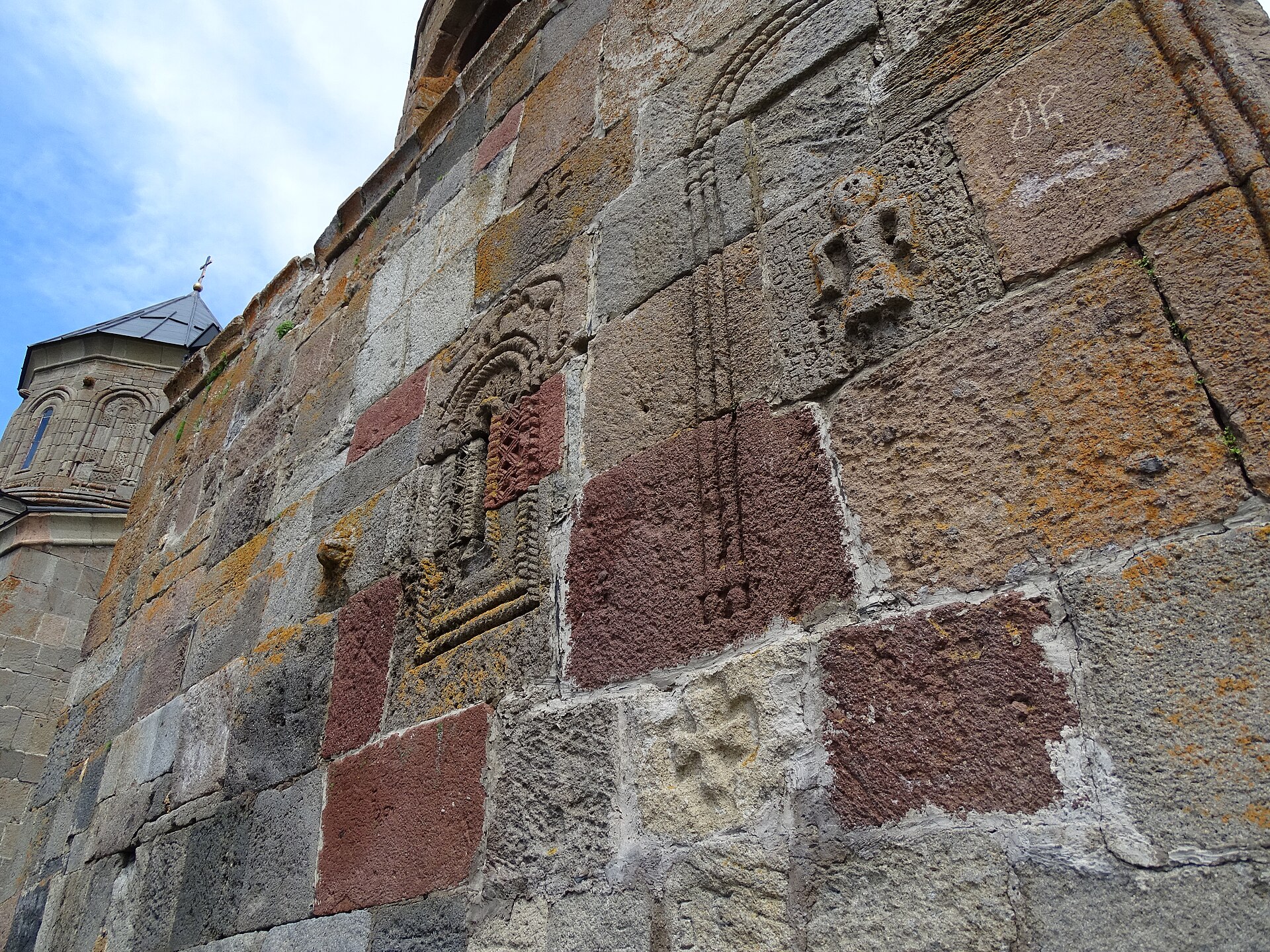
Featured image: Viktor Yershov (CC BY-SA 4.0) via Wikimedia Commons.


Leave a Reply