Telavi is the obvious base for exploring Kakheti, Georgia’s wine country, and the whole trip starts with one decision most first-timers get wrong: which Tbilisi bus station you leave from. Kakheti marshrutkas don’t go from Didube. They leave from Navtlughi, the yard right beside Samgori metro on the east side of the city. Turn up at Didube and you’ve wasted a metro ride and an hour.
Getting there without the false start
Ride the metro to Samgori, come up to street level, and the marshrutka bay is a short walk from the exit, marked for Telavi and Sighnaghi. A seat runs about ₾12–15, and the road takes two to two and a half hours. There are two routes drivers use: the Gombori Pass, which is shorter and prettier, and the longer Kakheti Highway loop through Sagarejo. You don’t get to pick; you take whichever van is loading.
Vans leave through the day, more or less hourly from morning to early evening, and drop you at the newer bus station near the Telavi bazaar. Here’s the catch nobody mentions until it bites: the return service thins out after the middle of the afternoon. If you’re doing Telavi as one long day rather than an overnight, find out the last dependable van back before you do anything else, and plan the day backwards from it.
Rather not gamble on a timetable? A private driver from Tbilisi for the day costs a lot more but buys you Alaverdi, Gremi and a winery on one loop, which no marshrutka will do. Prices and hours in this guide were checked in September 2026 against georgia.travel and Wander-Lush.
What’s worth your time in town
Telavi is small, and you can see the core of it in half a day on foot. The anchor is Batonis Tsikhe, the “Lord’s Fortress,” a Persian-style walled palace that served the kings of Kakheti. Erekle II, the king who tried to keep Georgia standing between two empires, was born inside these walls. Today it holds the town’s history and ethnography museum.
The complex opens Tuesday to Sunday, roughly 10:00 to 18:00, and closes Mondays, so don’t build a Monday day trip around it. The western courtyard you can wander for free; the palace rooms and museum charge a few lari at the gate. Just outside stands the bronze Erekle II on horseback, sword up, the image the town puts on everything.
A hundred metres or so from that statue is the thing I’d actually cross town for: a plane tree between 900 and 1,000 years old, over 40 metres tall, with a trunk you’d need several people to ring — around 12 metres around. It got formal protected status in early 2024. To put the age in plain terms, this tree was already a landmark when the fortress beside it was being planned. In summer the local street dogs claim the shade under it.
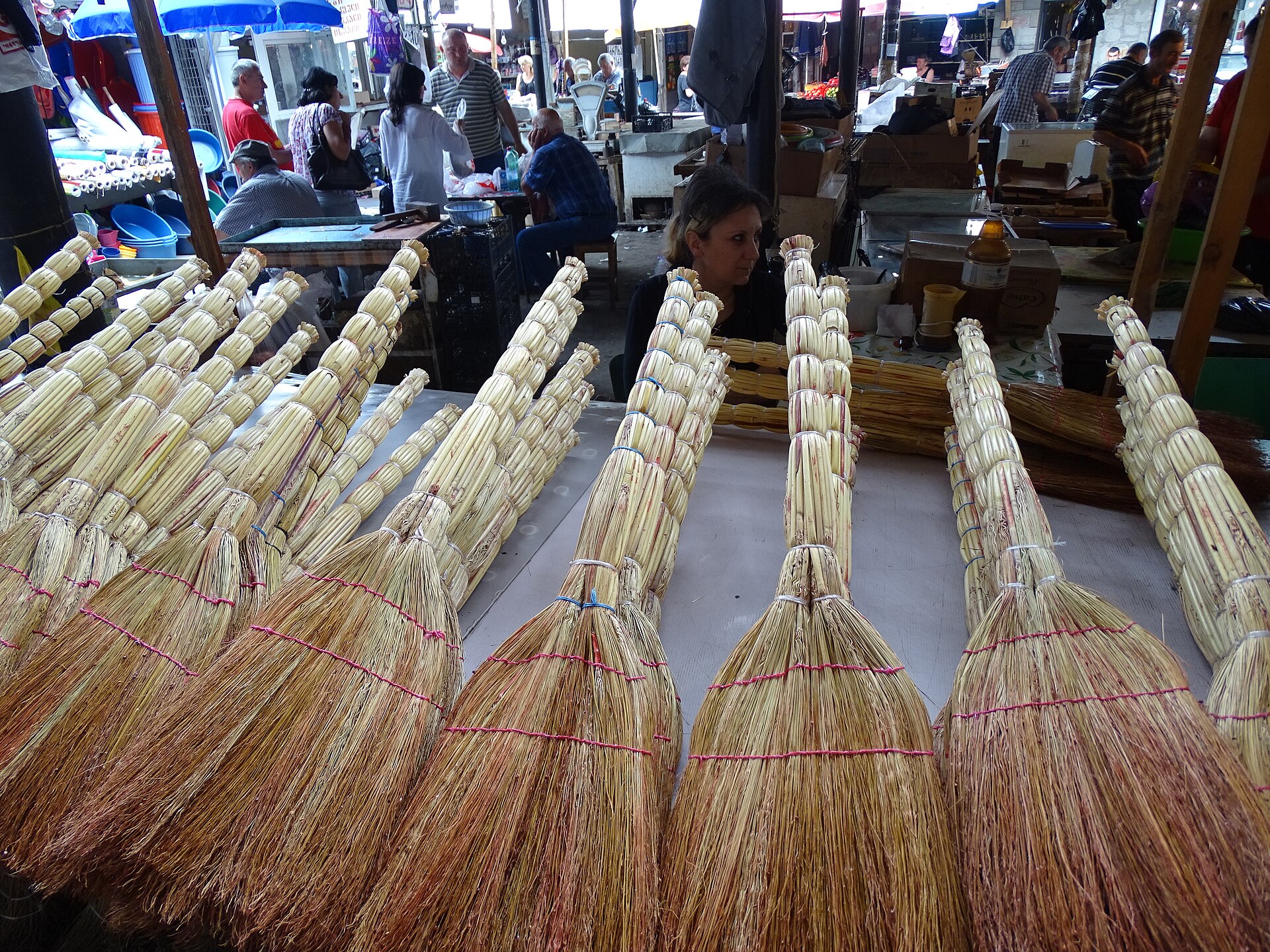
Walk up to Nadikvari Park on the ridge for the view that explains why anyone settled here: the whole Alazani Valley laid out below, and on a clear morning the Greater Caucasus wall behind it. Then the bazaar, which is where you buy churchkhela, spiced cheese and cheap wine to take home.
The real reason you came: the wine
Telavi sits at the centre of the appellations most people already have a bottle of at home. Tsinandali, Napareuli, Mukuzani — these aren’t marketing names, they’re villages and valleys within an easy drive, and being based in Telavi puts you inside tasting range of all of them. Georgian wine here is still made the old way in many cellars, fermented in the buried clay qvevri that gives the amber whites their grip.
The gentlest introduction is Tsinandali Estate, about 9 km out, the old Chavchavadze family manor with a museum, gardens and a working cellar. General entry is ₾10 and includes the museum; the guided tasting tour runs around ₾35 for a flight through the estate’s wines and a chacha at the end (per the official tsinandali.ge). For a fuller route through the cellars and family wineries around town, our Kakheti wine tour guide maps out which producers actually take walk-ins and which want a call ahead.
Using Telavi as a base for the monasteries
Three of Kakheti’s big historic sites ring the town, and they’re the argument for staying a night rather than day-tripping. Alaverdi Cathedral, about 21 km north, is an 11th-century giant that was for centuries the tallest church in Georgia — it still stops you at the door. It’s free, open around 10:00 to 16:00 daily (a little earlier on Sundays), and the dress code is enforced, not suggested: women are handed a wrap skirt and headscarf at the entrance, men need long trousers. Gremi, roughly 20 km out, is a red-brick citadel and church from 1565, the ghost of a royal capital. Ikalto, closer at about 10 km, was a medieval monastic academy where the poet Rustaveli is said to have studied.
Public transport between these is thin to nonexistent, and that’s the part people underestimate. Our advice: don’t try to string Alaverdi, Gremi and Ikalto together on local minibuses. Have your guesthouse call a driver and hire the car for the morning; three sites plus a lunch stop is a normal half-day rate, and you’ll see more before noon than a full day of waiting on roadside vans would give you.
Where to stay and eat
Telavi runs on family guesthouses, and that’s a feature, not a compromise. The best ones fold you into a supra — the long Georgian feast with toasts — and pour their own wine. That’s where the region actually opens up, more than any restaurant will.
On price, expect the usual Kakheti numbers: khinkali at ₾2–3 a dumpling, an adjaruli khachapuri anywhere from ₾15 to ₾30 depending on size, and a proper sit-down dinner landing around ₾45–80 a head once wine is involved. House wine is ₾6–8 a glass, or ₾12–20 for a bottle you’ll happily finish. If your guesthouse offers dinner, take it over a restaurant on your first night.
When to come, and why autumn wins
If you get to choose your dates, come for Rtveli, the grape harvest. In Kakheti it runs from early September into mid-October, with the busiest fortnight in the first half of October, and many guesthouses will let you pick and stomp grapes alongside them. It’s the one time the whole valley smells of crushed fruit and fermenting must. Our Rtveli grape harvest guide covers which villages take visitors and how to book a working harvest day rather than a staged photo op.
One thing to know: the classical-music Tsinandali Festival takes over the estate in early September (3–13 in 2026), which is lovely but pushes local beds up. Prefer a hilltop town with cobbled lanes and a cliff-edge viewpoint instead of a working wine hub? That’s a different day out — see our Sighnaghi day trip, which pairs naturally with Telavi if you’ve got two days in Kakheti.
Telavi FAQ
How do you get from Tbilisi to Telavi by public transport?
Take a marshrutka from the Navtlughi terminal next to Samgori metro station, not Didube. The fare is about ₾12–15 and the ride is two to two and a half hours. Departures run roughly hourly through the day, but the last vans back to Tbilisi go in the afternoon, so confirm the return before you set off.
Is one day in Telavi enough or should you stay overnight?
A single day covers the fortress, the plane tree and the ridge-top view, and that’s a reasonable trip. Staying the night is what gets you the wineries and the Alaverdi–Gremi–Ikalto loop, plus a guesthouse supra you can’t rush. If Kakheti’s wine is the point of your visit, sleep here at least once.
What is there to do in Telavi besides wine?
Batonis Tsikhe fortress and its museum sit at the heart of the old town, the millennium-old plane tree is a short walk away, and Nadikvari Park gives you the panorama over the Alazani Valley toward the Caucasus. The bazaar is worth an hour for churchkhela and cheese even if you don’t buy a drop of wine.
When is the grape harvest in Kakheti?
The harvest season stretches from the first days of September to around the middle of October, and the first two weeks of October are the peak. Exact timing shifts with the weather each year, so if you’re building a trip around picking and pressing, keep your dates a little flexible and check with the guesthouse in advance.
Last practical thing, and the one that saves the day most often: as you step off the van in Telavi, walk over to the return board and photograph the last departure time to Tbilisi. Every other plan bends around that number.
Featured image: Photo: Adam Jones from Kelowna, BC, Canada / Wikimedia Commons (CC BY-SA 2.0)




Leave a Reply