Georgia hands most passports a full year at the border, and a mid-range freelance income buys a central Tbilisi flat, a desk and a social life. The first four weeks have an order to them, and doing them out of order costs money.
Before you board: since 1 January 2026 every visitor needs health and accident insurance covering at least 30,000 GEL (about $11,000), in Georgian or English, valid for the whole stay.
Week 1: a signal, a way to pay, and somewhere to sit
Get a SIM in the arrivals hall. Magticom, Silknet and Cellfie all have kiosks there, registration needs your passport, and a tourist bundle with real data runs ₾20–40. Do it on day one, because Bolt, Wolt, couriers and landlords all need to text you. Our best SIM card for Georgia guide compares the carriers and the eSIM options.
You do not need a Georgian bank account to live here for a month. Your home card works in shops, restaurants and on the metro, where a contactless tap runs about ₾1–1.5; a Metromoney card charges ₾1 plus a ₾2 refundable deposit, and 90 minutes of transfers ride on one fare. Opening a real account is a week-four job. Compliance at Bank of Georgia and TBC has tightened and refusals happen. Expat guidance current in 2026 agrees on the fix: bring a signed lease or client contracts and a one-line answer to why you want it.
Sleep in a short-let apartment booked for ten to fourteen nights. Not a month, and not a year.
Our advice: buy a coworking day pass in week one, even if you plan to work from the sofa. It tests what listings cannot, whether the room is quiet at 3pm. Desks run from about ₾250 in Saburtalo to ₾500 at the known hubs. If your space sits on Rustaveli, the avenue is closed to vehicle traffic from 23 July 2026 to the end of November, so that stretch is a walk. Café people, start with our laptop-friendly picks.
Week 2: the flat hunt, and what a viewing is really like
Listing sites are where you start, not where you finish. MyHome.ge and SS.ge carry the volume, but foreigners get quoted above the local rate and good flats go in days. The Facebook groups are the real market: search Tbilisi flat rent, post your budget in lari, answer within the hour. Walking Vera and Sololaki for ქირავდება signs in windows still works, and cuts out the agent.
A viewing is fast and slightly chaotic. Someone meets you at the door, you get fifteen minutes, and if you want it you say so that day. Use them on five things:
- Heating. Gas boiler, central gas, or electric heaters? Electric-only on a top floor is a brutal January.
- Internet. Provider, fibre or not, plan speed. Ask to see the router; old Sololaki buildings are the weak spot.
- Hot water. Run the tap, and ask what happens in an outage.
- Windows. Single glazing on a main road decides which calls you can take.
- The lift. Often broken in old blocks, coin-operated when it works.
Landlords quote in dollars and take lari at the day’s rate, so rent moves each month. One month’s deposit is standard, two is not unusual. The agent fee is the line people forget: half to a full month’s rent, often pushed onto the foreign tenant in full. Ask who pays it before the viewing, not after.
A furnished one-bedroom in Vera, Sololaki or Vake sits around ₾1,000–2,500 in 2026; the same flat in Saburtalo or Isani drops to $300–550. Get the lease in both languages, and photograph the meters on move-in day. Full numbers are in our Tbilisi cost of living guide. Our advice: no twelve-month lease in month one. Six with an option to extend buys the right to be wrong about the neighbourhood.
Week 3: the 1% status, and what it does not do
Register as an Individual Entrepreneur, apply for Small Business Status, and turnover is taxed at 1% up to ₾500,000 a year, 3% above. It taxes gross turnover, not profit. Registration at a Public Service Hall takes about a business day.
Two 2026 changes matter. Amendments to Order No. 999 took force on 7 March 2026, and Small Business Status now starts on the date you file rather than the following month. The other is less fun: a missed monthly return is no longer read as a zero return. It is an offence with a fine: once registered, you file every month, earnings or not. Both points come from ExpatHub’s rundown of the 2026 special tax regimes, checked August 2026.
What it does not do is where people come unstuck. It is not a visa, not residency, and no release from your home country’s claim on your income. Nor does it cover employment income, so an IE invoicing one client for full-time hours can be read as disguised employment. Buy an hour from a Georgian tax advisor before registering, and an hour from someone back home.
Week 4: people, the flat spot, and the winter call
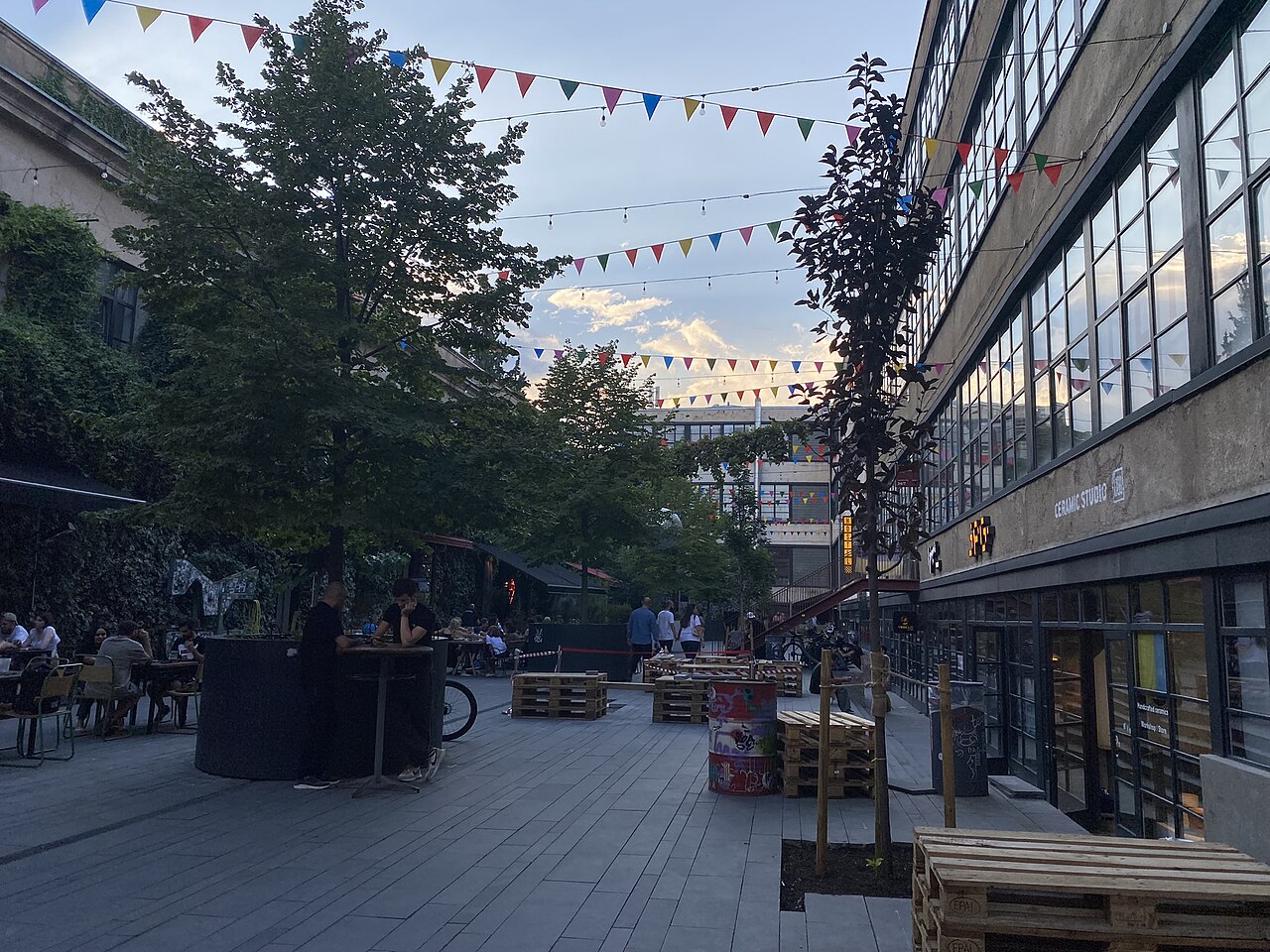
By now you have spoken to nobody but a landlord. The Fabrika courtyard on the Marjanishvili side is the reliable default: two afternoons a week there produces conversations by itself. Impact Hub and Terminal run events open to non-members; after that, the expat Facebook groups and Meetup language exchanges.
The flat spot lands about here. Cheap rent plus a year-long stamp means nothing forces you to do anything, and some people quietly stop working. If your clients are in North America you work evenings on GMT+4, which eats the hours everyone else is out. Pick a hard stop time this week.
Then the winter call, which lands in October. Heating a central flat from November to March adds $50–100 a month, the sky goes flat grey for weeks, and much of the nomad crowd leaves for Batumi or Turkey until spring. Our advice: budget a month elsewhere rather than white-knuckling February.
The honest downsides
Winter air comes first. Tbilisi sits in a basin, traffic accounts for most of its emissions, and PM2.5 runs well above the WHO annual guideline year-round, with cold months stacking heating smoke on exhaust. Check live readings before committing to a winter here.
Second, the language wall, which only shows up in admin. Daily life runs fine in English and Russian. The lease, the notary and the letter from the tax office are in Georgian, in an alphabet you cannot guess at from Latin script. Budget for an accountant who takes phone calls.
Third gets misread most. The visa-free year is generous, but it is a tourist stamp, not residency: no status, no path to permanent stay, and banks treat you as a non-resident throughout. It is not universal either. Enter on a third country’s residence permit rather than your own passport and you get 90 days in any 180, not 365. Check your case in our Georgia visa guide.
Frequently asked questions
How long can a digital nomad stay in Georgia without a visa?
Citizens of about 95 countries get 365 days on one border stamp, no application and no income test. The exception catches people out: enter on a third country’s residence permit rather than your own nationality, and it is 90 days in any 180.
Do I need insurance to enter Georgia in 2026?
Yes, for every visitor since 1 January 2026: health and accident cover worth at least 30,000 GEL, around $11,000, in Georgian or English and valid for the full stay.
How much does a remote worker need per month in Tbilisi?
Around $800–1,200 all in for one person living centrally with a coworking desk, heating adding $50–100 from November to March. Drop the desk, move a metro stop out, and $600 covers it.
Is the 1% tax automatic when I arrive in Georgia?
No. Register as an Individual Entrepreneur first, then separately request Small Business Status, which since March 2026 applies from the day you file. A monthly return is due after that, invoices or not.
The most useful hour of your first month costs nothing: put the entry stamp, insurance certificate, lease, meter photos and IE paperwork in one phone folder. Nearly every argument of the next twelve months is settled by something in it.
Featured image: Tabeabenlakehal (CC BY-SA 4.0) via Wikimedia Commons.


Leave a Reply