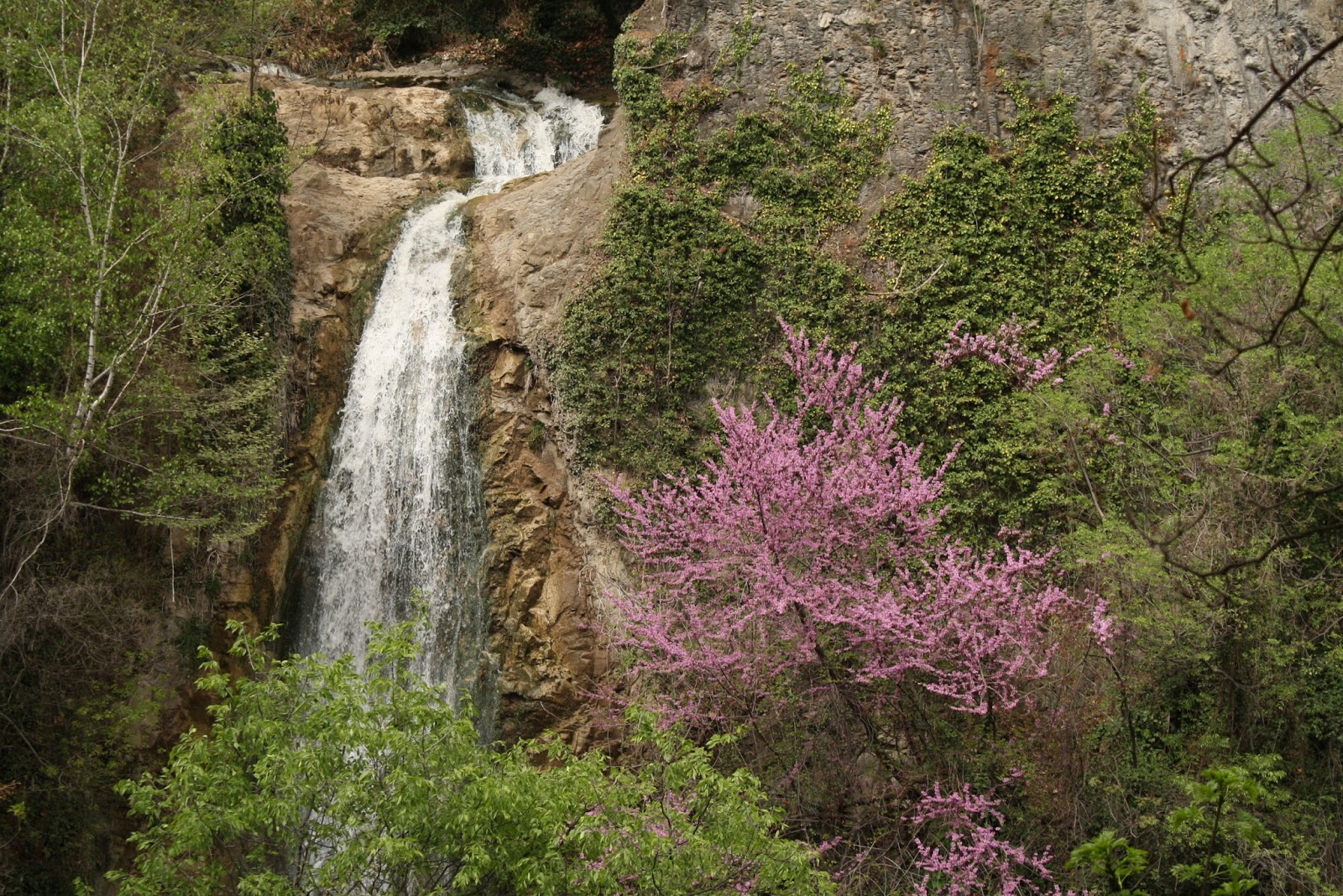
Yes, the Tbilisi Botanical Garden is worth the climb, and it costs almost nothing: 4 GEL for an adult, 1 GEL with a student card, checked September 2026 against the Tbilisi Local Guide listing. The catch isn’t the price. It’s the two entrances, and picking the wrong one adds a sweaty half-hour of uphill you didn’t sign up for.
So read the entrance section first, then the rest. That single choice shapes your whole visit more than anything else here.
Which entrance you use decides your whole day
There are two ways in, and they are not equal.
The lower gate sits on Botanikuri Street, a short walk up from the Abanotubani sulfur baths. You reach it by threading through the Legvtakhevi gorge, past the waterfall the Old Town is known for, then following the road as it bends uphill to the ticket booth. It’s the atmospheric approach. It’s also the one that makes you earn the entrance with a steady climb before you’ve even paid.
The upper gate is the smarter play for most people. Take the cable car from Rike Park up to the Narikala ridge (2.5 GEL each way, Metromoney card only, no cash), walk along toward Kartlis Deda, the Mother of Georgia statue, and the upper entrance is right there. From that gate the garden runs mostly downhill. You drift down through the trees toward the waterfall instead of grinding up toward it.
Our advice: go in from the top and come out at the bottom by the baths. Gravity does the work, and you finish a two-minute walk from a plate of khinkali instead of stranded on a ridge.
One honest warning about the lower gate. Several visitor guides note the Legvtakhevi-side entrance isn’t always staffed or open, and it’s least reliable off-season. If you’re set on entering from the baths, have the cable-car plan as a backup rather than a 20-minute walk back into a locked gate.
Price and hours, and where sources disagree
The ticket is 4 GEL for adults, 1 GEL for students with ID, 50 tetri for schoolchildren, and free for under-sixes, per the Tbilisi Local Guide breakdown. That’s cheaper than the cable-car ride that gets you there.
Hours are where you should be careful. Listings don’t agree: some show the garden closing at 17:30, others at 19:30, and the difference is seasonal, with the gates open later through summer and shutting earlier in winter. The opening time is the consistent part, 9:00 daily. Treat late afternoon in the shoulder seasons as the risk zone and aim to be inside well before 17:00 if the days are shortening.
Bring small notes. A booth selling a 4 GEL ticket is not always thrilled to break a 100.
How big it is, and how much time that really means
People underestimate this place badly. On the map it looks like a park behind the fortress. On the ground it’s a river gorge covering around 161 hectares, with more than 3,500 plant species spread across paths that climb and fork, according to Georgia Travel, the national tourism board.
You will not see all of it. Nobody on a normal visit does.
Allow two to three hours if you want the waterfall, the central valley and a wander through the tree collections at an unhurried pace. Squeeze it into 45 minutes and you’ll have walked a driveway and a gorge and missed the reason people rate the garden at all. If your legs are tired from the Old Town already, the downhill upper-to-lower route is the version of this visit that stays enjoyable to the end.
Wear real shoes. The main paths are fine, but the interesting side trails are packed earth and loose stone, and they’re slick for an hour after rain.
The waterfall is the payoff
The Tsavkis-Tskali waterfall, in the Legvtakhevi gorge, is the single thing most people come down for. There’s a small wooden footbridge dating to 1898 that gives you the framed view, and the water is loudest and fullest after rain or during spring melt.
Come in a dry spell in late summer and you may find it thin. That’s the honest picture, not a stunt: flow follows the season and recent rainfall, so if the falls are your one must-see, aim for spring or the morning after a wet night.
Morning light also reaches the gorge floor better than the flat glare of midday, which matters if you’re there for photos.
The zipline over the garden
There’s a zipline that launches from the Narikala ridge and lands down in the garden, roughly 280 metres of cable with about a 30-metre drop, run by Zipline.ge at 60 GEL a rider (checked September 2026). It runs year-round in fair weather and shuts in heavy rain, fog or strong wind, with the last ride around half an hour before closing.
Is it worth 60 GEL? For the 30-second ride alone, probably not. But it drops you straight into the garden and skips the climb entirely, which reframes the value. If you were going to ride the cable car and pay the entrance anyway, the zipline folds both into one short, genuinely fun descent.
Check the weather before you make a special trip for it. Wind on that ridge closes the line more often than anything else, and no operator will send you out in it.
Shade, and why summer visitors head here
Tbilisi in July and August sits around 30 to 31°C, and the Old Town’s stone lanes hold that heat like an oven. The garden is the opposite. It’s a wooded gorge with a river running through it, and the tree canopy keeps the central paths noticeably cooler than the streets you climbed up from.
That’s the real summer case for coming here. Not the botany, the shade. Bring water anyway, because the exposed upper sections near the ridge get full sun and there aren’t cafés every hundred metres like there are in town.
Combining it with the Narikala area
The garden pairs naturally with the ridge above it, with one important correction. Narikala Fortress itself is fenced off for restoration and closed to visitors through 2026, so you cannot walk its walls no matter what older blog posts tell you. You’ll pass the fortress and see it from outside, and that’s as far as it goes right now.
What is open up there is still worth the cable-car ride: the ridge path to the Mother of Georgia statue, the little St Nicholas church, and the views back over the city. For the full picture of what’s accessible and what isn’t, see our Narikala Fortress guide.
The tidy loop: cable car up, ridge walk past the fortress, down through the garden, out by the sulfur baths. From there you’re standing in Abanotubani, so a soak makes an obvious finish. Our sulfur baths walkthrough covers what to expect inside, and the whole ridge-and-gorge stretch is folded into the wider Old Town guide.
Frequently asked questions
How do I get to the Tbilisi Botanical Garden?
Two routes. Ride the cable car from Rike Park up to the Narikala ridge and walk to the upper gate near the Mother of Georgia statue, or walk up from the Abanotubani sulfur baths through the Legvtakhevi gorge to the lower gate on Botanikuri Street. The cable car takes a Metromoney card, not cash.
Is one entrance better than the other?
For most visitors, the upper gate wins. Entering from the ridge lets you walk down through the garden rather than up, and you finish beside the baths. The lower gate is more scenic on the way in but adds a real climb, and it isn’t always open outside peak season.
Can I combine the garden with Narikala Fortress?
You can visit the ridge and pass the fortress, but not enter it. Narikala is closed for restoration through 2026. The cable car, the ridge path, the Mother of Georgia statue and the garden are all open and connect into one easy loop.
Is the botanical garden good for kids?
It is, with caveats. Children under six enter free and there’s a lot of open space, but the terrain is hilly and some side paths are rough underfoot, so it’s harder work with a stroller. The downhill route from the upper gate is the kindest option with tired little legs.
Last thing, and the one people wish they’d known: check the forecast the night before. A dry week thins the waterfall and wind on the ridge grounds the zipline, so if either is your reason for coming, a quick weather check saves the whole trip from disappointment.
Featured image: Photo: Sb2s3 / Wikimedia Commons (CC BY-SA 4.0)




Leave a Reply