Build a summer day in Tbilisi backwards from the heat and the trip works. Build it around a list of sights and you’ll spend half of it looking for shade that isn’t there.
The averages are milder than the internet suggests: about 31°C on a July afternoon, 30°C in August, nights near 20°C (Weather Spark). July 2026 topped out at 34.5°C, not the 40 you see quoted. What makes it hard isn’t the number. It’s a valley that holds warm air, pale stone throwing the sun back, and no air conditioning in half the places you’ll stand.
Before 11:00 — your only free hours
Everything outdoors happens now. At 07:30 the Old Town lanes still hold last night’s cool and the cobbles under Betlemi Street are walkable rather than radiant. Abanotubani’s brick domes, the Meidan bridges, the climb to the ridge: morning jobs, all of them.
One correction to most itineraries: the fortress walls are fenced off for restoration right now. The Rike Park cable car (2.5₾ each way, Metromoney only) and the ridge path stay open, so the view survives even if the ramparts don’t — see our Narikala fortress guide. Between the upper station and Mother Georgia there’s no tree, no awning, nowhere to sit out of the sun. By noon it’s the hottest ground in the city.
The National Botanical Garden, 4₾ and open from 09:00 (Tbilisi Local Guide, checked August 2026), sits in the gorge below the fortress and holds shade and moving air long after the streets above give up.
12:00 to 16:00 — indoors, underground, or uphill
Treat this block as non-negotiable. Georgians do: side-street shops shutter and reopen around five, and nobody walks anywhere for pleasure. Three things work, plus lunch — two hours in a cellar dining room, ₾45–80 a head with wine.
A museum, with one caveat
The Simon Janashia Museum on Rustaveli (30₾ for foreign visitors) buys two solid hours, and its underground Treasury hall is genuinely cold. The caveat: museum air conditioning here is patchy, and some upper galleries run warmer than the street.
A sulphur bath, which sounds insane and isn’t
Booking a hot bath on a 33°C day reads like a mistake. It isn’t. The private rooms in Abanotubani are stone-lined basements a metre below street level, dim and quiet, each with a cold plunge you’ll use more than the hot pool. You come out with your body temperature reset, which is more than a café can do. Plain cabins 15–40₾ per room per hour, Chreli-Abano 60–70₾, spa suites 150–300₾, public halls single-digit lari (full price breakdown).
Uphill
Altitude is the cheapest cooling in the city. The Mtatsminda funicular climbs to a plateau near 770 metres where there’s actual wind: 12₾ each way plus a separate 2₾ park card, and Metromoney works on neither. Two degrees sounds trivial until you’ve felt Rustaveli pavement and then that terrace.
The flat with no air conditioning
This ruins more summer trips than the weather does, and it never appears in a forecast. Air conditioning is not standard in older Tbilisi apartments. Plenty of beautiful Sololaki flats — carved doors, five-metre ceilings, the best photos on the listing — have a fan and an open window, and that’s the system. A top-floor room under a hot roof stays above 30°C until two in the morning.
Our advice: from June to August, pick air conditioning over location or charm, every time. A booking filter isn’t enough — ask the host whether the bedroom has its own unit, because a split in the living room does nothing behind a closed door.
Water: drink the tap water
Tbilisi’s supply comes largely from the Aragvi and Caucasus springs, it’s treated, and locals drink it daily. Carry a refillable bottle and fill it in cafés and at the free public fountains in Vake Park, Rike Park and the Old Town squares. Skip any with a stagnant basin or algae on the spout. Three litres a day if you’re walking.
The city reopens at seven
Come back out and Tbilisi behaves like a different place. Restaurants fill from 20:30, not 19:00. The Mtkvari terraces and the Fabrika courtyard stay busy past midnight, and our rooftop bars guide covers which ones catch a breeze rather than just a view.
A bonus this year: Rustaveli Avenue is closed to vehicle traffic from 23 July 2026 to the end of November, two kilometres from Tamar Chovelidze Street to Freedom Square. Walking it at dusk without four lanes of exhaust is a different city. Pro-EU protests gather outside Parliament nightly on that stretch, as they have since November 2024.
Where to actually escape
Half-measures first. Turtle Lake sits above Vake, reached by the ropeway from Vake Park: a few degrees cooler, with swimming, paddle boats and a shaded loop by the ethnography museum. Lisi Lake, north-west of the centre, is bigger and flatter. Afternoon fixes, not day fixes.
The real escape is vertical. Stepantsminda sits at about 1,740 metres and Gudauri near 2,200, three to four hours north on the Georgian Military Road: in August that’s the gap between sweating and wanting a fleece by evening. A marshrutka from Didube costs 15–20₾ (Kazbegi day trip guide).
What we’d skip in the peak weeks: lowland day trips. Mtskheta, Kakheti and Gori sit at or below Tbilisi’s elevation, just as hot, with less shade and fewer doors to duck through. Save the wine country for September. Locals do a bigger version of the same move — a large share of Tbilisi decamps in August to Batumi, Kobuleti and Ureki, or to Bakuriani, often for weeks (Georgia Expats). Vake and Saburtalo thin out, family-run restaurants close for the month, and the Old Town fills with visitors instead.
Frequently asked questions
How hot does Tbilisi get in July and August?
Afternoon highs average around 31°C in July and 30°C in August, and July 2026 peaked at 34.5°C. The 38–40°C figures circulating online are outliers, not normal weeks. Valley stone makes midday feel harsher than the reading suggests.
Do Tbilisi apartments have air conditioning?
Many older ones don’t, especially character flats in Sololaki and the Old Town. Ask the host whether the bedroom has its own unit, not just the apartment. Buses and metro carriages are inconsistently cooled too.
What can you do in Tbilisi in the middle of a hot day?
Go under the city or above it. The Janashia Museum’s basement Treasury, a private sulphur bath room, a long cellar lunch or the funicular up to Mtatsminda all cover 12:00–16:00. Leave the ridge and the markets for morning.
Is the tap water in Tbilisi safe to drink?
Yes. It comes from mountain rivers and springs, it’s treated, and residents drink it without thinking twice. Refill from taps and park fountains rather than buying bottles.
Change one thing about your itinerary and make it breakfast. Eat at 07:30 instead of 09:30 and you gain two hours of the only weather in a Tbilisi summer that’s on your side.
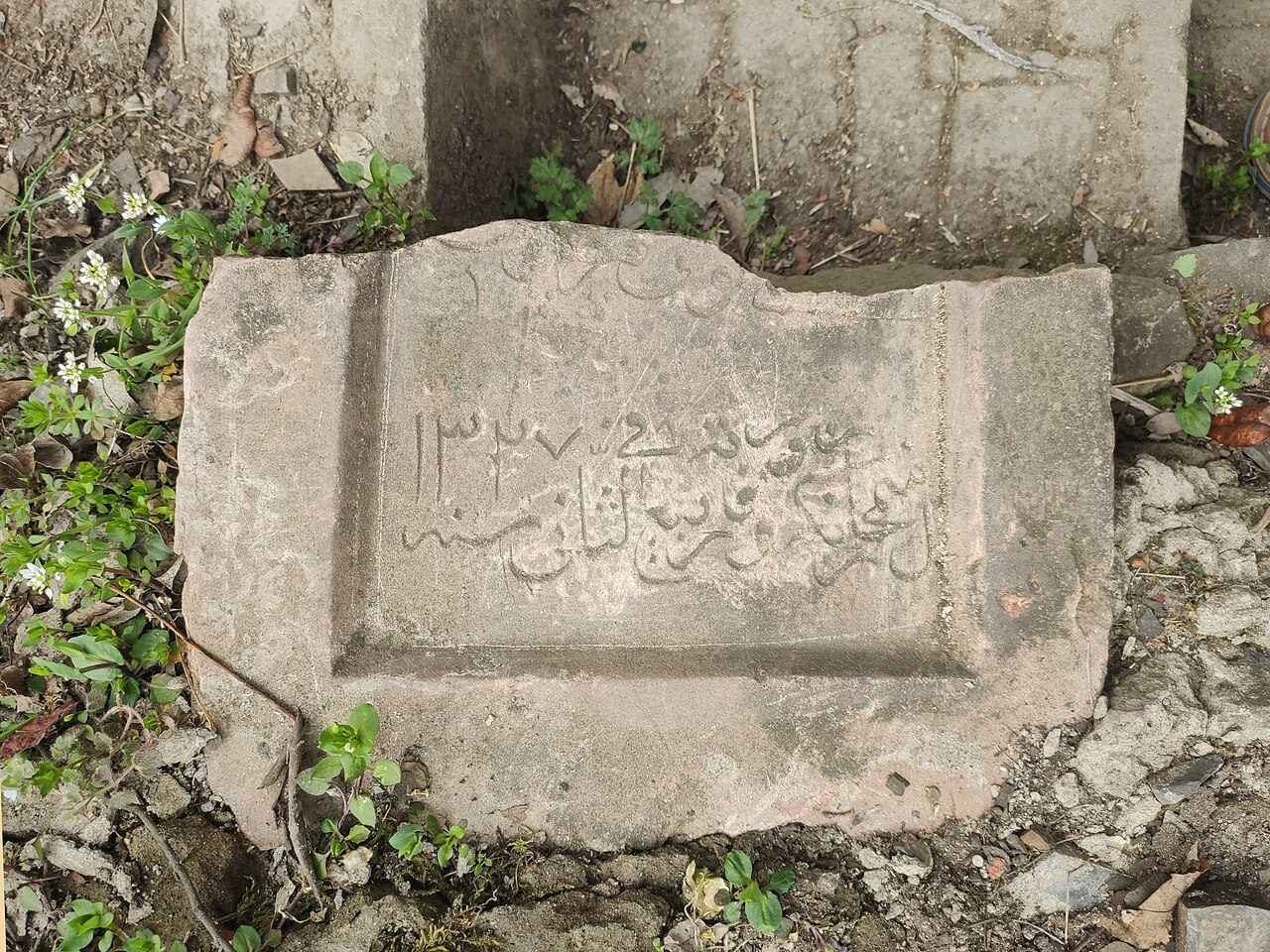
Featured image: Reda Kerbush (CC BY-SA 4.0) via Wikimedia Commons.

Leave a Reply