
An hour west of the capital sits Gori, the birthplace of Joseph Stalin and one of the most talked-about day trips in the country. The centrepiece is the Stalin Museum Gori, a grand Soviet-era complex that wraps his childhood home, a purpose-built exhibition hall and his private armoured train into a single visit. It is a strange, sometimes uncomfortable place, and how you feel about it is part of the experience. This guide covers what you will see, how to get there, what it costs, and how to combine Gori with the Uplistsikhe cave town and the town’s hilltop fortress.
Key facts at a glance
- Distance from Tbilisi: roughly 80 km, about 1 to 1.5 hours by road.
- Stalin Museum entry: 15 GEL for adults, includes a guided tour (around 45 minutes) and the railway carriage.
- Opening hours: daily 10:00 to 18:00 (closing at 17:00 from November to April); closed 1 January and Easter Sunday.
- Marshrutka from Tbilisi’s Didube station: around 3 to 6 GEL each way.
- Gori Fortress: free to visit.
- Uplistsikhe cave town: about 20 minutes from Gori by taxi.
- Time needed: a comfortable full day from Tbilisi.
The Joseph Stalin Museum
The museum opened in 1957, four years after Stalin’s death, and it has barely changed since. That is the first thing to understand before you go: this is not a modern, critical museum of a dictator. It was built as a monument to a local boy who became one of the twentieth century’s most powerful men, and it still reads that way. The main hall walks you through his life from childhood in Gori to the revolution and the Second World War, displaying personal effects, photographs, gifts from foreign leaders, and a death mask laid on a velvet cushion.
What is missing is the point. As one detailed visitor account puts it, the exhibition “conveniently omits almost all details of his reign of terror,” concentrating instead on revolutionary romance and wartime leadership. The purges, the gulags, the millions of deaths from famine and repression get little more than a small side room added in recent years. The guided commentary tends to be heavily scripted and one-sided. Many visitors leave describing the place as feeling less like a museum and more like a shrine, and that dated, uncritical presentation is exactly why it is worth seeing with your eyes open.
Stalin’s birth house
Directly in front of the main building stands the small wooden house where Stalin was born in 1878, when the family rented a single room. It has been preserved in place and sheltered under a large marble pavilion built specially to protect it, an oddly grand canopy over a very modest home. It is a quick but memorable stop that grounds the mythology in something small and human.
The private railway carriage
Parked beside the museum is Stalin’s personal armoured railway carriage, a heavy green Pullman he used for long journeys, including reportedly to the Yalta and Tehran conferences, because he disliked flying. You can step inside to see the bathroom, meeting area and sleeping quarters. Entry is included in the standard ticket, and it is one of the more genuinely evocative parts of the visit.
Getting to Gori from Tbilisi
By marshrutka
The cheapest and most flexible option is the marshrutka (shared minivan) from Didube station in Tbilisi. Vans leave frequently throughout the day, the fare is roughly 3 to 6 GEL, and the ride takes about an hour to 90 minutes. Ask the driver to drop you near the Stalin Museum if you can, because Gori’s own bus station sits on the far side of town near the bazaar. If Didube feels chaotic on your first visit, our Didube marshrutka guide explains how the station works and how to find the right van.
By tour or private driver
If you would rather not juggle timetables, an organised day tour or a hired driver makes the logistics disappear, and both are far easier if you plan to add Uplistsikhe. A private driver from Tbilisi typically covers Gori, the fortress and the caves in one loop and waits for you at each stop. It costs more than the marshrutka but saves a lot of time and lets you see everything without rushing. See our wider day trips from Tbilisi roundup for how Gori compares with other options.
Combining Gori with Uplistsikhe cave town
The single best reason to make a full day of it is Uplistsikhe, an ancient rock-hewn town about 20 minutes east of Gori. Carved into a sandstone hillside above the Mtkvari River, it was inhabited from around the first millennium BC and served as a pagan cult centre before later becoming Christian. Walking through its tunnels, halls and cave dwellings is a completely different experience from the Stalin Museum, and the two together make a well-balanced day. There is no public transport straight to the site, so the usual approach is a taxi from Gori that takes you there, waits, and brings you back for around 30 to 40 GEL. Read our full Uplistsikhe cave town guide before you go.
Gori Fortress and the town
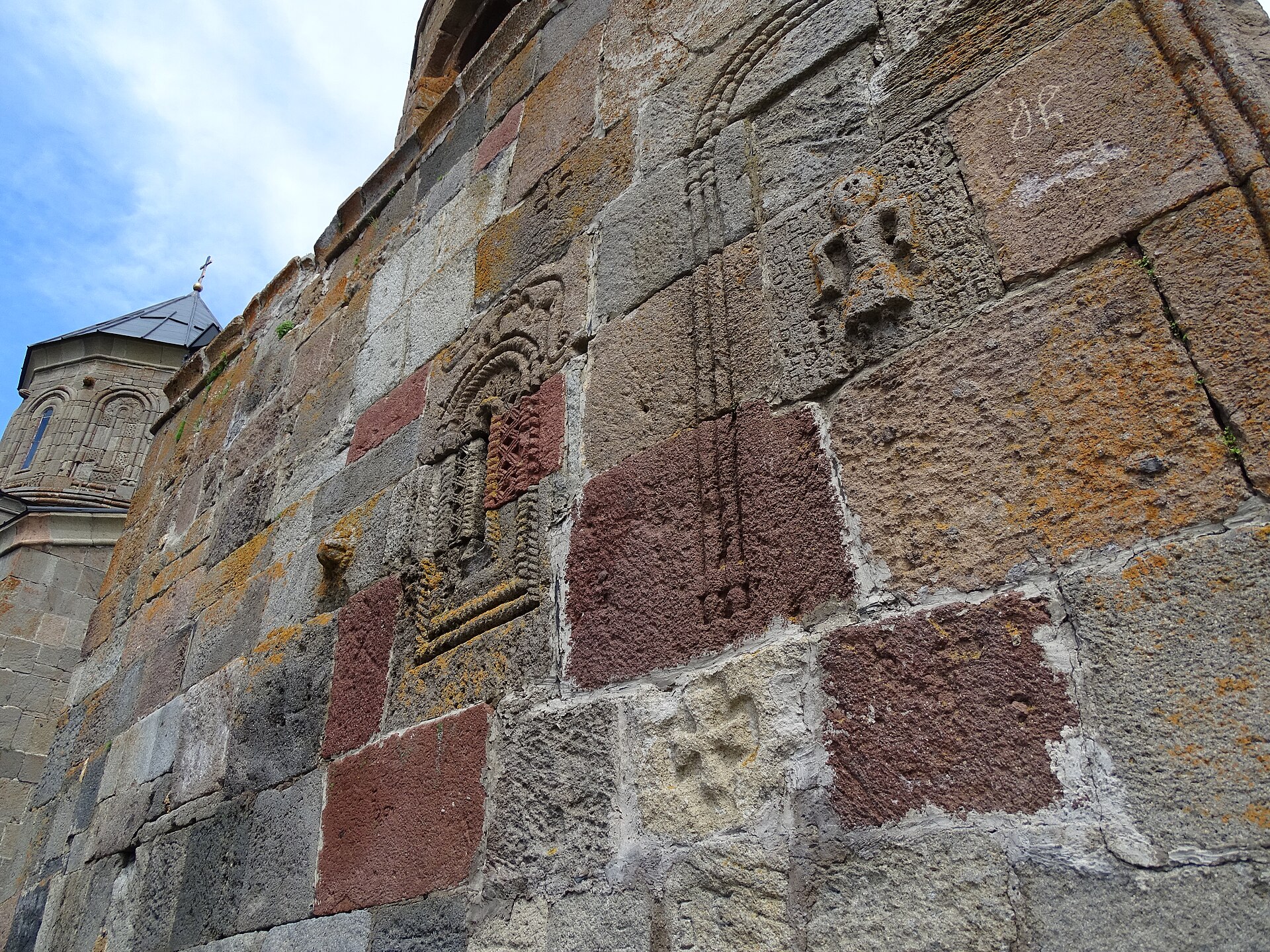
Rising on a hill in the middle of town, Gori Fortress (Goris Tsikhe) is free to climb and rewards you with wide views over the rooftops and the surrounding plain. There have been fortifications here since antiquity, with archaeological evidence pointing to the first century BC, while most of the stone walls you see today date to later medieval centuries. It only takes 20 to 30 minutes and pairs naturally with the museum, which is a short walk away. If you have extra time, the town also has a small museum covering the 2008 conflict and a lively central bazaar worth a wander.
Is it worth visiting, and how to feel about it
This is the honest heart of the trip. Gori is not a celebration, and going does not mean endorsing anything. Treated as dark tourism, the Stalin Museum is a genuinely fascinating window into how a country grapples with a difficult native son, and into how Soviet propaganda presented power. The lack of critical framing is jarring, but it is also the most educational thing about the place, provided you arrive already knowing the history the exhibition leaves out. Reading a little about the purges, the 1930s famines and the gulag system beforehand turns a one-sided display into something you can think critically about rather than simply absorb.
Pairing the museum with Uplistsikhe and the fortress also keeps the day from being all about one man, and gives you thousands of years of Georgian history alongside the twentieth-century story. For most travellers, that combination makes Gori well worth the short trip.
How long you need
The museum, birth house and railway carriage together take about one and a half to two hours. Add the fortress for another half hour and Uplistsikhe for roughly two hours including travel, and you have a full but very doable day trip from Tbilisi. Leave the capital by mid-morning at the latest, and you will be back for dinner. If you want to slow down, explore the bazaar or add the war museum, an overnight in Gori removes any sense of rushing.
Frequently asked questions
How much does the Stalin Museum in Gori cost?
15 GEL for adults, covering a roughly 45-minute guided tour plus the armoured railway carriage. Students pay less, and a cheaper carriage-only ticket exists if that is all you want to see.
Can you visit Gori and Uplistsikhe in one day from Tbilisi?
Comfortably, yes. With Gori an hour or so from the capital and the cave town another 20 minutes on, an early start leaves time for both. Either combine a Didube marshrutka with a local taxi, or let a hired driver or organised tour string the stops together.
Is the Stalin Museum a positive portrayal of Stalin?
Mostly, and that is what makes it controversial. Little has changed since 1957, so the displays celebrate the revolutionary and the war leader while the terror, gulags and famines are confined to one small later-added room. Go informed and read it as a study in Soviet myth-making, not balanced history.
How do I get from Tbilisi to Gori by public transport?
Catch one of the frequent marshrutkas leaving Didube station; a one-way seat costs a few lari (roughly 3-6 GEL) and the journey lasts 60-90 minutes. Requesting a drop-off close to the museum saves a walk, since Gori’s bus station sits across town by the bazaar.
Sources: Wander-Lush: Visiting the Stalin Museum in Gori, Backpack Adventures: Tbilisi to Gori day trip guide, and the official Stalin Museum entrance fees page.
Last checked: July 2026. Opening hours and prices can change, so confirm current details before you travel.
Featured image: Bernard Gagnon (CC BY 4.0) via Wikimedia Commons.

Leave a Reply